The tracked years
2022 is my year zero, not the start of my travelling but the start of writing it all down.
-
2022, year zero
Rome, in economy: the first flight I logged
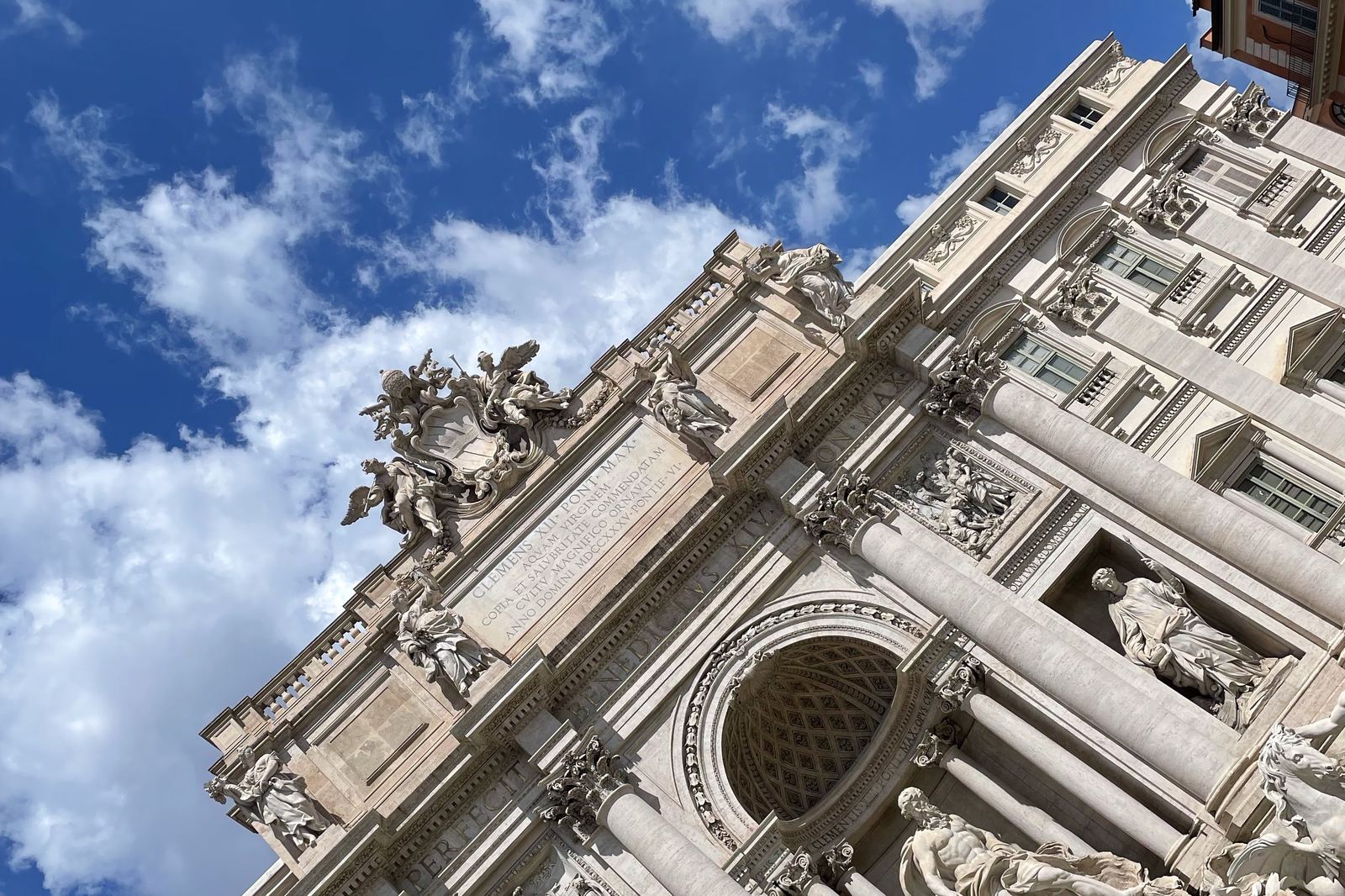
A European city trip on Eurowings. Modest next to everything that follows, and still the most important entry on this page: the first flight I properly recorded, with the airline, aircraft, and seat all written down before I had any idea it would turn into a habit. The method in the guide didn't exist yet. This is where the record starts, and the record is what produced it.
-
2023, the first real jump
Hong Kong, long-haul, still economy
Frankfurt to Hong Kong with Cathay Pacific on the A350-1000, my first serious intercontinental trip and the first time I paid attention to the product rather than just the destination: which airline, which aircraft, which seat, and whether any of it justified the fare. Still economy, but the step up in distance and complexity is what mattered. Looking back, this is where my current way of thinking about flights actually starts, a full year before I would have called it a method.

-
2024, structure
Tokyo, London, and the mountains
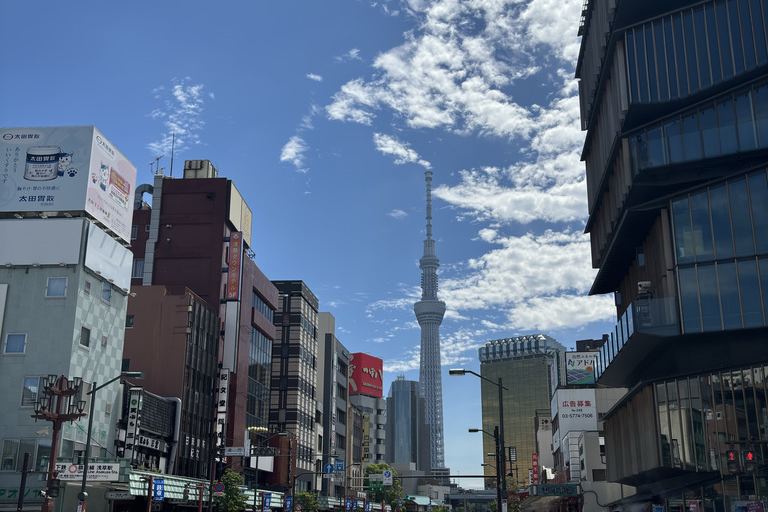
Greater Tokyo, flown on Lufthansa's B747-8, still economy but an aircraft that made the whole trip feel like an event, and my first time back in Japan since I started keeping records. A proper city-tour pace, not just a stopover. London followed as a clean European city trip, and then hiking in the Chiemgau, which kept the whole thing from turning into a pure aviation hobby. Travel had stopped being occasional and become a rhythm: Asia, Europe, and something that wasn't a city at all.
-
2025, the breakout year
East Asia, New Zealand, Canada, and my first long-haul premium cabins
Vienna and Bratislava opened the year, with an Austrian business-class return leg that counted as my first premium segment. Then Hong Kong as a base for a proper regional loop through Macau, Shenzhen and Taipei, flying Lufthansa business short-haul and premium economy on the A340-600, the first time long-haul premium economy became part of how I actually travelled and not just something I'd read about. Milan and Prague filled the gaps in between. Then the big one: Europe to China to New Zealand to Canada and back, with Air Canada's Signature Class on the 787-9 between Auckland and Vancouver, the longest and most complicated routing I'd ever booked. That year my map went global, my premium-cabin flying stopped being occasional, and my fares got complicated enough that I needed an actual method rather than instinct.

-
2026, maturity
The US, a few European trips, and Japan again
Vienna again in March, a repeat trip, before Portland and Seattle opened up the US Pacific Northwest properly, with a United Polaris return leg from San Francisco. Prague followed with Condor, business on the way back. Boston came next on the Lufthansa A380: economy out, business back, premium where it mattered rather than everywhere, which by now was the whole point. Then Vienna a second time, not a holiday but a working stay, city and structure rather than sightseeing. And in September, Tokyo again: booked, not yet flown, but already my most deliberate trip to date, my first fully premium-cabin routing end to end, with Cathay's Aria Suite outbound and classic Cathay business the rest of the way there. Five years in, this is what the method looks like when you actually use it.